Choosing and Assembling Computer Components |
|
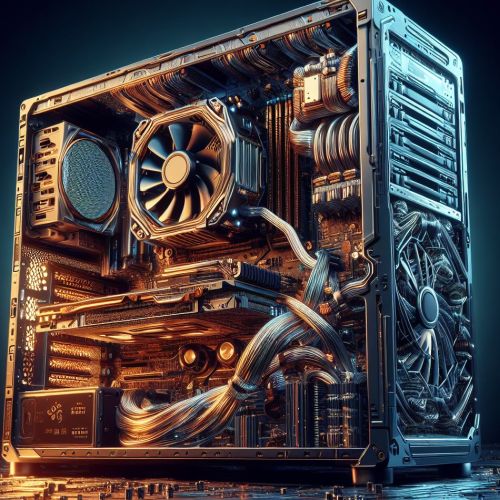
When it comes to selecting computer components, there are several important factors to consider. Here are a few guiding factors: Budget: Determine how much you're willing to invest in a computer. More powerful components like a faster processor, a quality graphics card, and larger amounts of memory generally cost more. Intended Use: Consider the main purpose of your computer. Gaming requires a powerful graphics card, video and image editing require ample CPU and storage memory, and music production might benefit from an external sound card. Processor: Choose a processor that matches your intended use. Pay attention to cores, threads, and clock speed. Intel and AMD processors require compatible motherboards. Motherboard: Select a motherboard compatible with your processor. Choose the right size (ATX, Micro-ATX, Mini-ITX) and ensure it fits in your case. Graphics Card: For gaming, get a powerful graphics card with sufficient memory and clock speed. Memory: Choose enough RAM based on usage. Gaming: 8GB minimum, video editing: 16GB or more. Storage: SSDs are faster; HDDs are more affordable. Using both together is an option. Power Supply: Choose a reliable and sufficiently powerful PSU. Cooling: Ensure the cooler fits your CPU and case. Case: Choose a case that accommodates all components and provides good airflow. Check component compatibility and seek advice from professionals or experienced enthusiasts. Research products, compare, and read customer reviews. Once you've selected components, you can build the PC yourself or purchase a pre-built system.
Step-by-Step Assembly GuidePreparation: Gather necessary tools (screwdriver, antistatic wrist strap) and read all manuals. Case Preparation: Open the case and verify screws and cables. Installing the Motherboard: Place and secure the motherboard properly, aligning the back panel. Processor and Cooler: Install CPU and cooler following manufacturer instructions. Memory (RAM): Insert RAM modules into the correct slots. Hard Drives/SSDs: Mount and connect drives securely. Power Supply: Install PSU and connect all necessary power cables. Cable Connections: Connect case cables (USB, audio, switches) to motherboard. Graphics Card: Install in PCIe slot and connect power as needed. Peripherals: Connect monitor, keyboard, mouse, speakers, etc. Final Checks: Verify all connections, no cables obstruct fans, and close case. Power On: Connect power, turn on computer. BIOS Setup: Configure settings if needed. Operating System Installation: Install OS using bootable media. Driver Installation: Install drivers from manufacturer websites. Software and Updates: Install additional software and update OS/drivers. Take your time, be careful with components, and consult manuals or online resources if needed. Need Help Building Your Computer?Our professionals in Helsinki can help you select components and assemble your computer. Call now: +358 9 174 746 or visit our contact page. |